
A healthy smile plays an important role in your overall confidence and well-being. However, severe tooth pain, prolonged sensitivity, or swelling around a tooth can indicate a serious dental infection that requires immediate treatment. One of the most effective ways to save an infected or damaged tooth is through Root Canal Treatment (RCT).
If you are searching for the best Root Canal Treatment in Kanpur, Petals Clinic offers advanced, painless, and highly successful root canal procedures that help preserve your natural tooth while eliminating infection and discomfort. Using the latest dental technology and modern treatment techniques, Petals Clinic ensures a safe, comfortable, and stress-free dental experience for every patient.
This guide will help you understand everything about Root Canal Treatment, including its benefits, procedure, symptoms, recovery, and why timely treatment is essential for maintaining good oral health.
What is Root Canal Treatment?
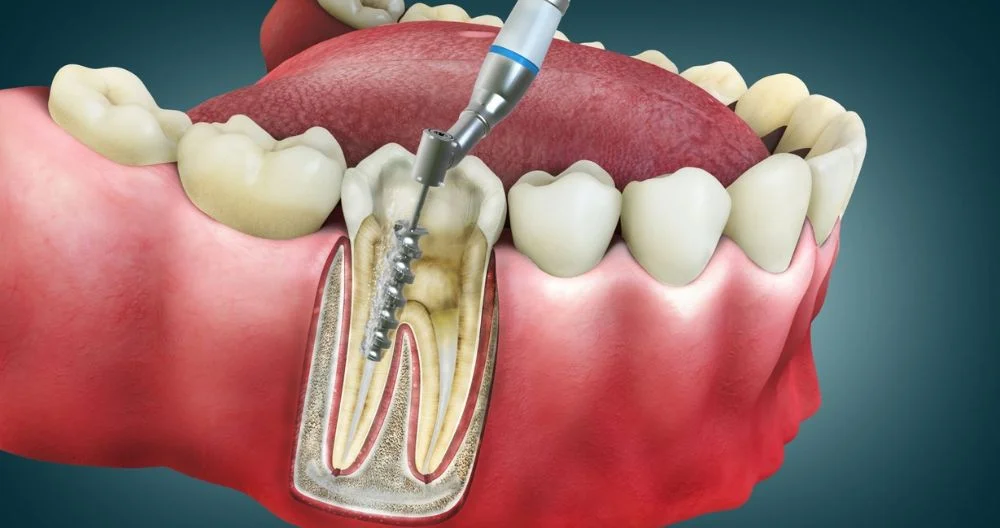
Root Canal Treatment is a specialized dental procedure used to treat infection inside the tooth. Every tooth contains a soft tissue known as the pulp, which houses nerves, blood vessels, and connective tissue. When bacteria enter this inner chamber due to deep decay, cracks, trauma, or untreated cavities, the pulp becomes inflamed or infected.
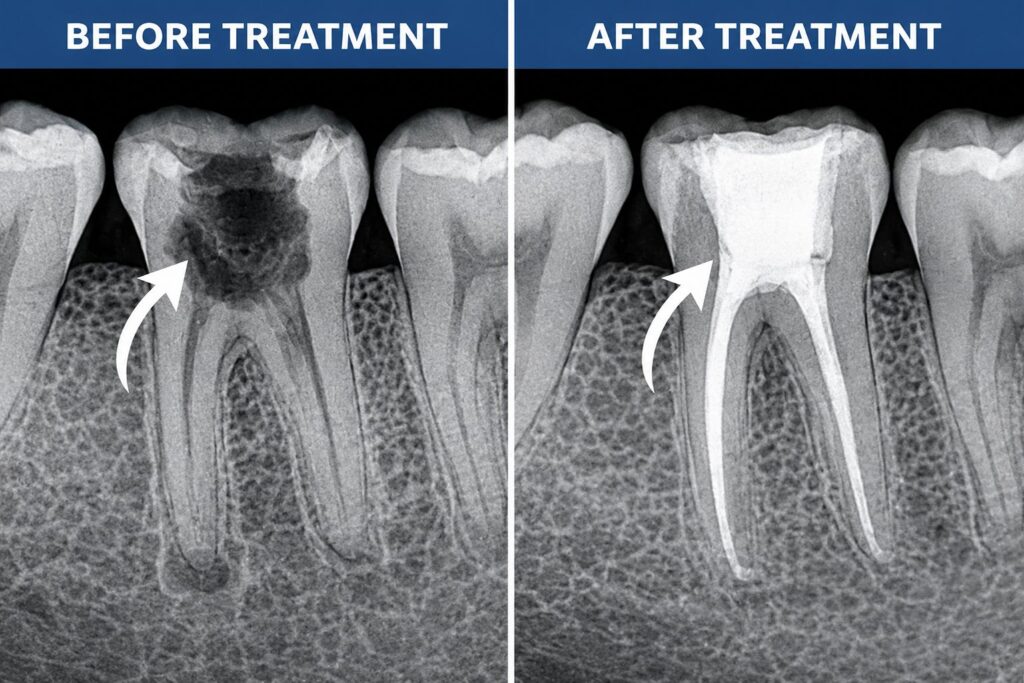
During an RCT, the infected pulp is carefully removed, the root canals are cleaned and disinfected, and the tooth is sealed with a durable filling material. In many cases, a dental crown is placed afterward to restore the tooth’s strength and appearance.
The primary objective of root canal treatment is to save your natural tooth while removing pain and infection.
Symptoms That May Indicate You Need Root Canal Treatment
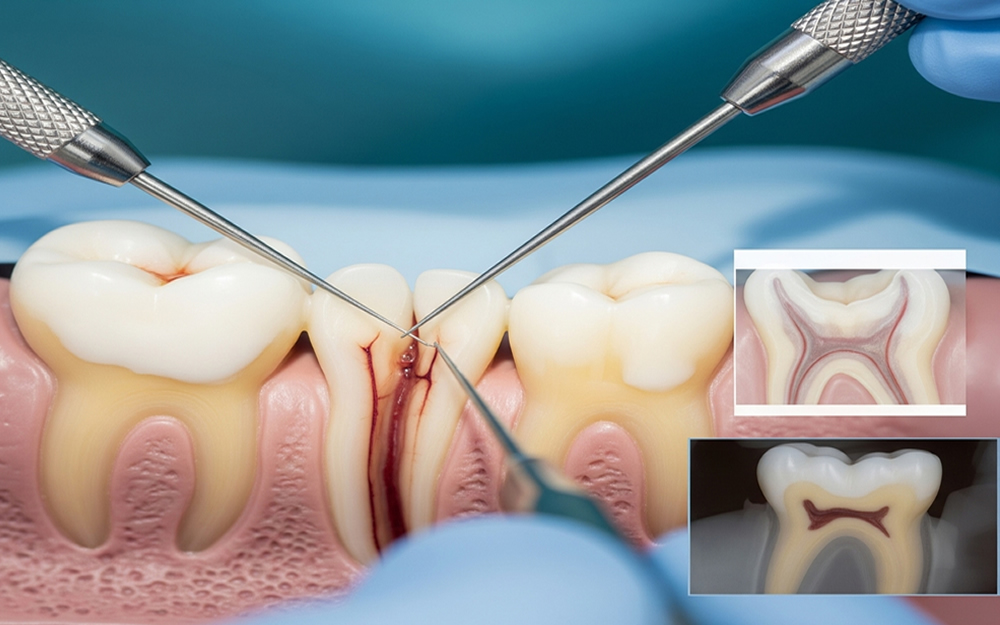
Ignoring dental problems can lead to serious complications. You should consult a dentist immediately if you notice any of the following symptoms:
- Continuous or severe toothache
- Pain while chewing or biting
- Sensitivity to hot or cold foods that lingers
- Swollen or tender gums
- Pus formation near the affected tooth
- Tooth discoloration
- Bad breath caused by infection
- Swelling around the jaw or face
- Deep cavities
- Loose tooth due to infection
Sometimes, an infected tooth may not cause noticeable pain, making routine dental check-ups equally important.
Common Causes of Tooth Pulp Infection
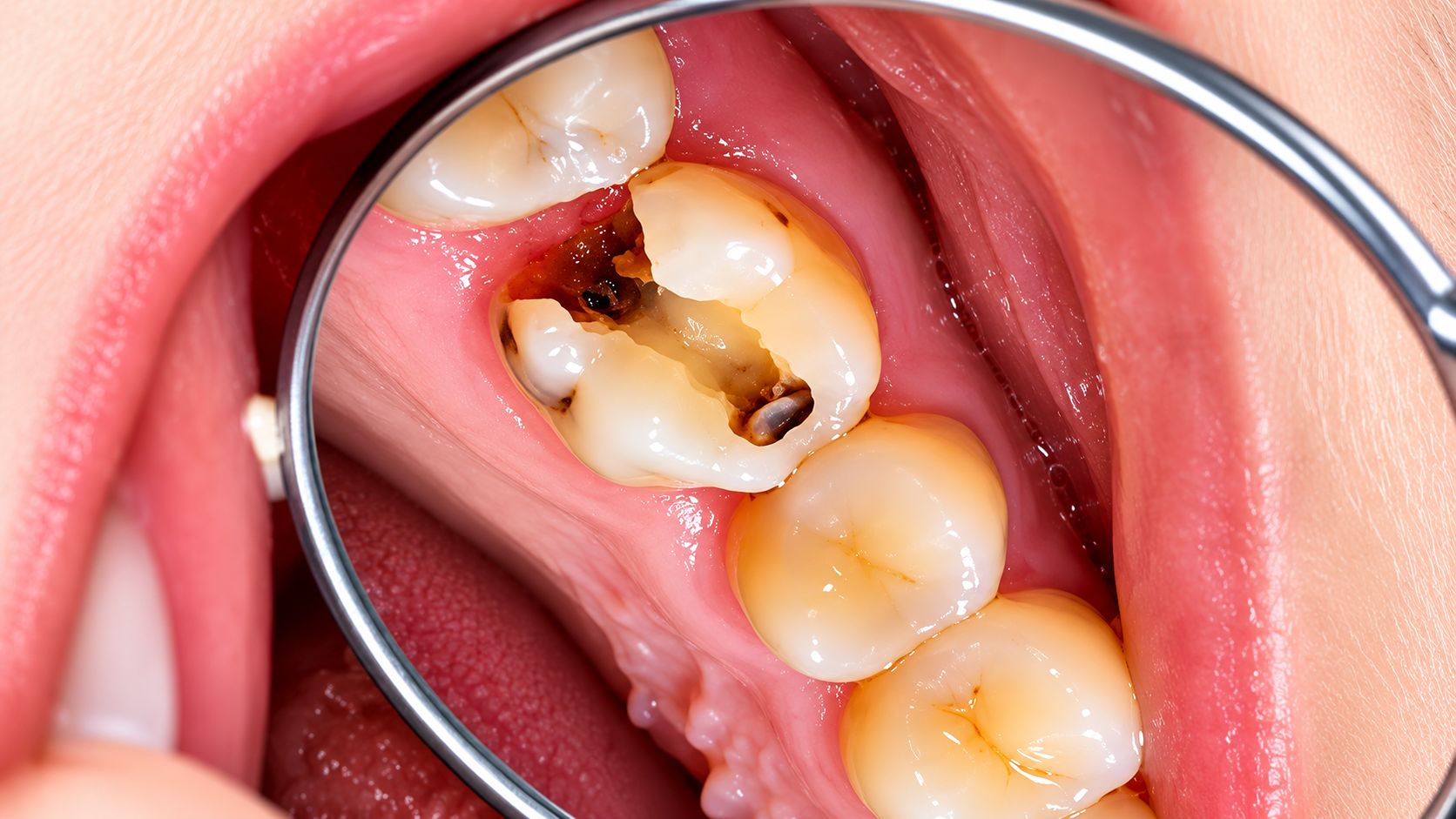
Several dental conditions can damage the tooth pulp and require root canal treatment.
Deep Dental Cavities
Untreated cavities gradually reach the inner pulp, allowing harmful bacteria to cause infection.
Cracked or Fractured Tooth
Even a minor crack can expose the pulp to bacteria and lead to infection.
Dental Injury
An accident or sports injury may damage the pulp even if the tooth appears intact.
Repeated Dental Procedures
Multiple fillings or restorations on the same tooth may weaken the pulp over time.
Advanced Gum Disease
Severe periodontal infections can affect the supporting tissues and contribute to root infections.
Advantages of Root Canal Treatment
Root canal treatment offers numerous long-term benefits for your oral health.
Preserves Your Natural Tooth
Saving your natural tooth helps maintain proper chewing efficiency and jaw alignment.
Relieves Tooth Pain
The treatment removes the infected tissue responsible for severe pain and sensitivity.
Prevents Tooth Extraction
RCT eliminates infection while allowing you to keep your original tooth.
Stops the Spread of Infection
Cleaning the canals prevents bacteria from spreading to nearby teeth and surrounding bone.
Restores Normal Chewing Ability
After the final restoration, you can comfortably eat and chew as you normally would.
Maintains a Healthy Smile
Keeping your natural teeth supports better oral health and facial aesthetics.
Root Canal Treatment Procedure
At Petals Clinic, Kanpur, every root canal treatment is performed with precision and patient comfort in mind.
Initial Examination
Your dentist evaluates the affected tooth using digital X-rays to determine the extent of infection.
Local Anesthesia
The treatment area is completely numbed to ensure a painless procedure.
Tooth Isolation
A protective rubber dam is placed around the tooth to maintain a clean and sterile environment.
Accessing the Pulp
A small opening is created to reach the infected pulp tissue.
Cleaning the Root Canals
Specialized rotary instruments remove infected tissue and thoroughly clean the canals.
Disinfection
The canals are disinfected to eliminate bacteria and reduce the risk of future infection.
Filling the Canals
The cleaned canals are sealed with biocompatible gutta-percha material.
Final Restoration
A permanent filling or dental crown is placed to restore the tooth’s strength and functionality.
Is Root Canal Treatment Painful?
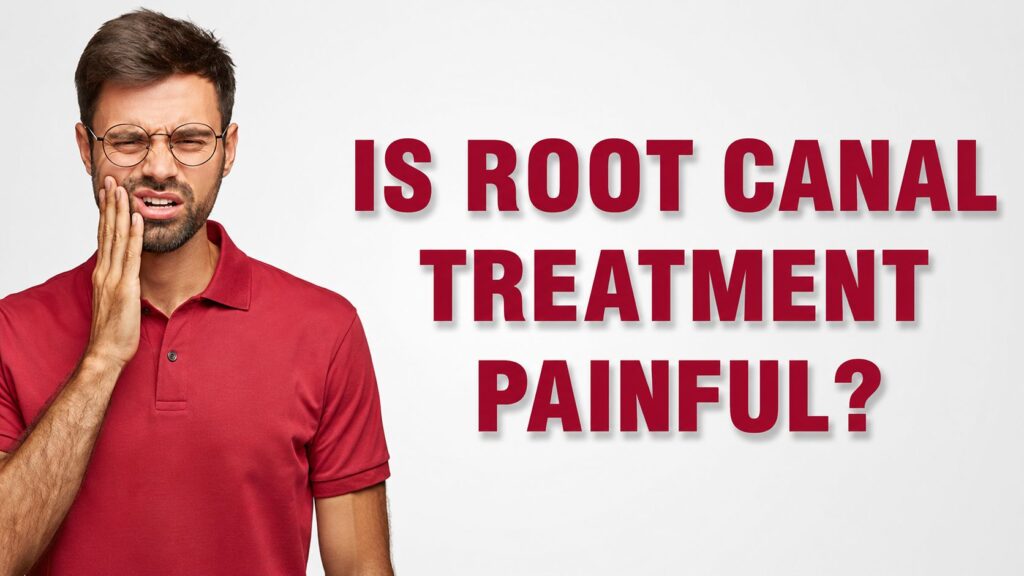
One of the most common misconceptions is that root canal treatment is painful. In reality, modern dentistry has made the procedure highly comfortable.
With advanced anesthesia techniques and rotary endodontic technology, most patients experience little to no pain during treatment. The procedure actually eliminates the source of infection, providing significant relief from persistent toothache.
How Long Does Root Canal Treatment Take?
The duration depends on the location and complexity of the tooth.
- Front teeth generally require 30–60 minutes.
- Premolars usually take around 45–75 minutes.
- Molars may require 60–90 minutes.
Simple cases may be completed in a single visit, while more complicated infections may require two or more appointments.
Importance of a Dental Crown After Root Canal
After root canal treatment, the tooth may become more susceptible to fractures because the infected pulp has been removed.
A dental crown helps:
- Strengthen the treated tooth
- Prevent future fractures
- Restore normal chewing function
- Improve the appearance of the tooth
- Increase the lifespan of the treated tooth
Molars, in particular, generally require crowns due to the heavy chewing forces they endure.
Recovery After Root Canal Treatment
Most patients recover quickly following treatment.
You may experience mild tenderness or slight discomfort for a few days, which usually resolves with prescribed medication.
Normal daily activities can often be resumed immediately after the procedure.
Success Rate of Root Canal Treatment
Root canal treatment is considered one of the most successful dental procedures, with a success rate exceeding 95% when performed by an experienced dentist.
With proper oral hygiene and routine dental visits, a treated tooth can remain healthy and functional for many years, often lasting a lifetime.
Cost of Root Canal Treatment in Kanpur
The cost of Root Canal Treatment varies depending on several factors, including:
- Number of root canals
- Severity of infection
- Tooth location
- Type of dental crown
- Technology used during treatment
- Experience of the dentist
At Petals Clinic, Kanpur, patients receive transparent treatment plans, advanced dental care, and cost-effective root canal solutions without compromising on quality.
Why Choose Petals Clinic for Root Canal Treatment in Kanpur?
When it comes to saving your natural tooth, choosing the right dental clinic is essential. Petals Clinic is one of the trusted dental clinics in Kanpur, providing advanced and painless root canal treatment using modern equipment and international treatment protocols.
Why Patients Choose Petals Clinic
- Experienced and skilled dentists
- Advanced Digital X-Ray Technology
- Rotary Root Canal System
- Electronic Apex Locator
- Painless Treatment Techniques
- Sterilized Instruments & International Safety Standards
- High-Quality Dental Crowns
- Personalized Patient Care
- Affordable Treatment Plans
- Comfortable & Hygienic Clinic Environment
At Petals Clinic, our priority is to preserve your natural teeth while providing comfortable, reliable, and long-lasting dental care.
Frequently Asked Questions-
How long will a root canal-treated tooth last?
With proper care and a protective dental crown, the tooth can remain functional for decades.
Can I eat after treatment?
Yes, but wait until the numbness wears off and avoid chewing hard foods until your permanent restoration is completed.
Is root canal treatment better than tooth extraction?
Yes. Preserving your natural tooth is almost always the preferred option whenever possible.
Will I need antibiotics?
Your dentist may prescribe antibiotics if the infection has spread beyond the tooth or if swelling is present.
Can a root canal fail?
Although uncommon, retreatment may be required if reinfection occurs or if hidden canals remain untreated.